Powell River Top General Contractor for Quality Workmanship
Powell River Top General Contractor for Quality Workmanship
Blog Article
General Contractor: Your Top Professional for Home Projects
A general contractor executes an vital role in residential undertakings. They coordinate multiple components of construction, ensuring that operations proceed smoothly. Their proficiency in building codes and regulations allows them to navigate the complexities of permits and inspections. This expert functions as an essential connection between clients and trade specialists. Yet, many homeowners feel uncertain about the full extent of their work offerings. Understanding these details can have a major impact on the achievement of any remodeling undertaking.
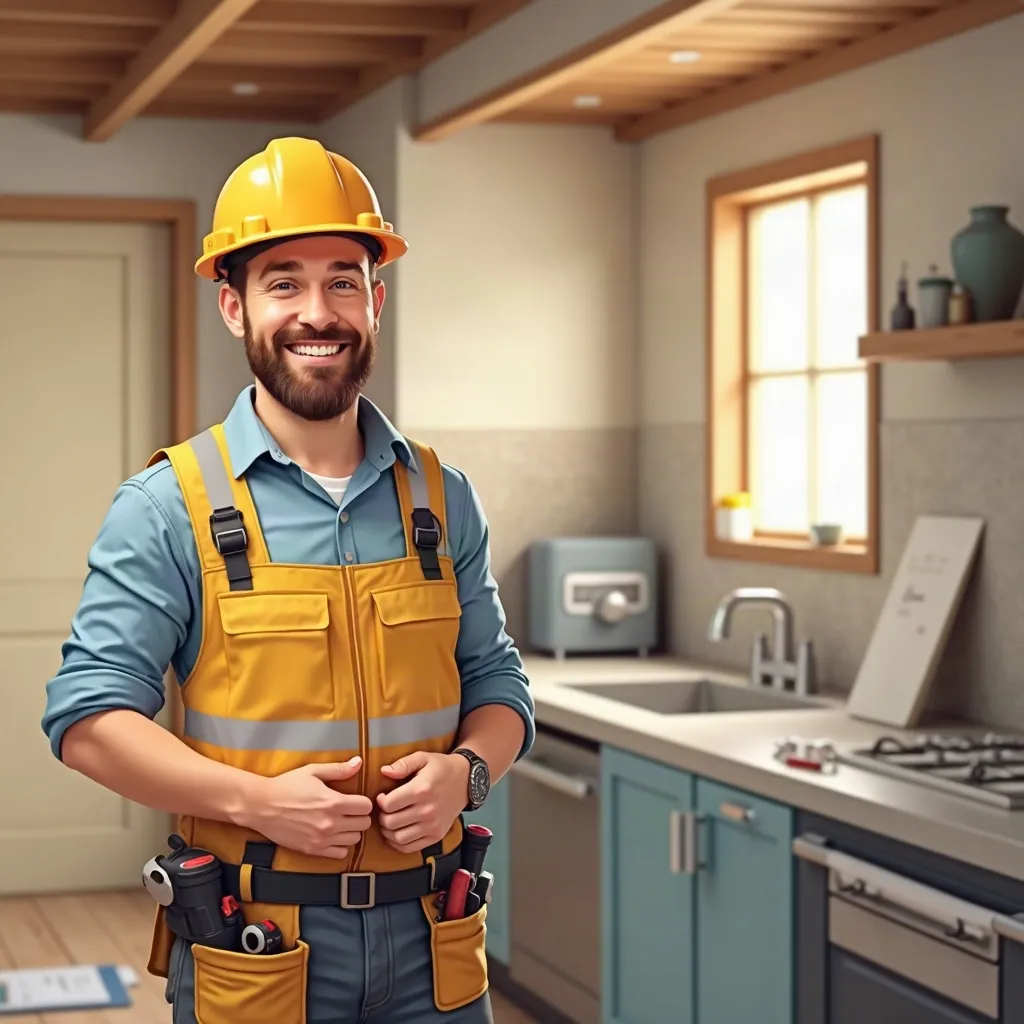
What Does a General Contractor Handle?
A construction leader coordinates the assorted components of a development project, making sure that processes proceed efficiently from commencement to conclusion. They perform as the leading contact point, facilitating communication between project principals, independent contractors, and suppliers. This role entails designing the project timeline, coordinating labor, and securing compliance with local building codes and regulations.
General contractors are responsible for obtaining necessary permits and scheduling inspections, which are vital for upholding safety and quality benchmarks. They also handle budget planning, material procurement, and overseeing site operations to prevent any possible setbacks or complications. In addition, they supervise subcontractors, ensuring that each phase of construction conforms to project specifications and timelines. Overall, a general contractor's expertise and organizational skills are crucial for completing a successful construction project, turning a client's vision into reality while balancing multiple tasks and responsibilities.
Advantages of Utilizing a General Contractor for Home Renovation Projects
Engaging a a skilled builder for home renovations delivers multiple perks that can significantly boost the quality and efficiency of the project. General contractors deliver knowledge in project management, guaranteeing that timelines are met and resources are allocated efficiently. Their solid connections with trade professionals can produce competitive pricing and superior workmanship, which in turn benefits property owners by reducing costs and time.
Additionally, construction professionals coordinate the detailed aspects of documentation and quality checks, minimizing likely regulatory complications. They also provide a single point of contact, streamlining communication and coordination among assorted contractors. This streamlining diminishes the risk of misunderstandings and delays.
Furthermore, their experience enables them to anticipate potential challenges, enabling preventative measures to keep the project on track. By engaging a general summary contractor, homeowners can concentrate on their vision while enjoying peace of mind, understanding that a professional is managing every aspect of the renovation.
Refuting False Notions About Construction Contractors
Many homeowners may have incorrect ideas about contracting professionals, but understanding the realities can lead to more better decisions. A common myth is that hiring a contractor is not needed for small projects; yet, their expertise can make easier even minor renovations, ensuring compliance with local codes. Another frequent belief is that contractors are simply middlemen, but they usually possess wide knowledge in different specialties, allowing them to manage projects efficiently. Furthermore, some clients think that collaborating with a contractor will considerably inflate costs. In truth, a skilled general contractor can often attain better pricing for materials and labor due to established relationships with vendors and subcontractors. Lastly, many believe that contractors are inflexible, but reputable contractors emphasize client communication and work closely to fulfill specific needs. Cleared up myths can empower clients to make the most of the actual value of contractors in completing effective home projects.
How to Pick the Right General Contractor?
How can property owners ensure they select the right general contractor for their assignments? The approach starts with thorough research. Homeowners should seek recommendations from friends, family, or online reviews to locate potential candidates. Once a compilation is assembled, confirming credentials, such as licensing, bonding, and insurance, is essential to confirm legitimacy.
Next, property owners should request and review portfolios of past projects, concentrating on projects similar in scope. Setting up interviews allows homeowners to assess fit, covering timelines, budgets, and expectations. It's also advisable to obtain multiple quotes for evaluation, offering a clear understanding of expenses.
Verifying references provides insight into a contractor's dependability and expertise. Ultimately, following your intuition is crucial; an initial meeting can expose a contractor's way of communicating and methodology. By following these steps, homeowners can substantially improve their likelihood of picking a general contractor who matches their project needs and vision.
Powerful Messaging Strategies To Use Alongside Your General Contractor
How can homeowners utilize strategies to maintain productive dialogue with their general contractor? Establishing open dialogue from the outset is critical. Homeowners must distinctly articulate their requirements, project targets, and spending restrictions during opening conversations. Regular communications can be promoted through planned meetings, guaranteeing that both parties stay synchronized throughout the project.
Leveraging written documentation, like email exchanges and project logs, reinforces verbal agreements and reduces misunderstandings. Homeowners should equally support open dialogue by soliciting feedback and questions from the contractor, building a collaborative atmosphere.
Additionally, leveraging modern solutions, such as project management apps, can optimize communication by supplying a centralized hub for posting updates, timelines, and changes. Finally, displaying consideration and friendliness can boost rapport, facilitating it easier for the contractor to share challenges or suggestions productively. By adopting these strategies, homeowners can build a collaborative and transparent relationship with their general contractor.
What to Equip Yourself When Your Initiative Kicks Off?
As the work commences, homeowners can look forward to a rush of activity on-site. The lead contractor will coordinate squads of experienced workers, including electricians, plumbers, and carpenters, who will get started their responsibilities following the established timeline. Homeowners may witness heavy machinery and materials being brought in, fostering a vibrant atmosphere.
Remaining in communication is essential during this phase. The contractor will share information on how things are progressing and address any worries that surface. Homeowners should be prepared for potential disturbances, such as noise and restricted passage to particular areas of the home.
Safety measures will be in place to preserve both workers and residents, ensuring a secure context. Additionally, homeowners may be encouraged to copyright flexibility, as unpredictable obstacles can arise, necessitating adjustments to the original plan. Overall, this initial phase initiates the foundation for the successful completion of the project, and active engagement is essential.
Critical Questions for Your General Contractor Deal?
Identifying the appropriate questions to pose when concluding a general contractor agreement is crucial for guaranteeing a successful project. Homeowners should ask about the contractor's credentials and insurance to validate their standing and protection against liabilities. Understanding the project timetable and milestones is significant; therefore, asking about projected completion dates helps manage expectations.
It is also necessary to articulate financial specifications, like deposit amounts and payment schedules, to ward off misconceptions. Homeowners should secure a granular analysis of outlays, highlighting building materials and labor, to assure accountability. Concurrently, deliberating on the system for addressing changes or surprise difficulties can avert conflicts later.
To wrap up, property owners should find out about subcontractors and their experience, as well as the contractor's communication strategy throughout the project. By addressing these concerns, property owners can nurture a productive relationship with their primary contractor, ultimately enabling a successful home project.
Frequently Asked Questions
In What Fashion Do General Contractors Charge for Their Services?
Contractors generally collect fees via predetermined rates, hourly pricing, or a share of the complete project budget. Their rates may also include materials, workforce costs, and overhead, contingent on the scope and difficulty of the work.
Can a General Contractor Help With Permits and Assessments?
Yes, a construction professional can assist with obtaining permits and managing inspections. They generally work through local codes and maintain regulatory adherence, streamlining the process for homeowners while facilitating necessary authorizations throughout the building endeavor.
What Experience Should I Look for in a General Contractor?
When hiring a general contractor, one should assess professional credentials such as licensing, insurance, experience in relevant projects, excellent references, and effective communication skills, ensuring they demonstrate the necessary expertise to manage the project with success.
What is the Timeline of a Average Home Renovation Undertaking?
A everyday home renovation project can extend anywhere from a few weeks to several months, influenced by the scope, difficulty, and size of the project, as well as the availability of materials and labor.
What Transpires if My Project Goes Over Cost Allowance?
If a project exceeds the budget, the contractor typically discusses the causes and alternatives with the homeowner. Adjustments may include scaling back, obtaining more funds, or modifying the project parameters to align with budget constraints.
Report this page